Dr. Aaron Huser treats a variety of fractures. These include pediatric fractures, growth plate fracture, elbow fractures, forearm fractures, ankle fractures, fractures of the hand and fingers, thumb fracture, and wrist fracture.
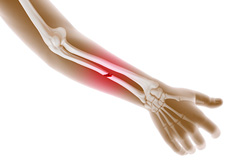
Pediatric Fractures
Fractures are more common in children due to their activities as well as their bone properties. Children are more active than adults and management of fractures in them also differs as compared to that in adults.
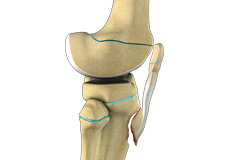
Pediatric Tibial Tubercle Fractures
Tibial tubercle fractures are quite rare occurrences that typically affect physically active adolescents between the age of 14 and 17.
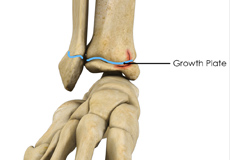
Growth Plate Fracture
Growth plates are areas of soft, cartilaginous tissues present at the end of long bones in growing children. These cartilage tissues or soft bones later harden to become solid bones in adulthood once growing has completed.
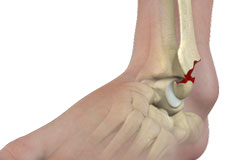
Ankle Fractures
Ankle injuries are very common in athletes and individuals performing physical work; often resulting in severe pain and impaired mobility. Pain after ankle injuries can either be from a torn ligament (ankle sprain) or broken bone (ankle fracture).
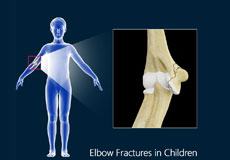
Elbow Fractures in Children
Fractures are more common in children due to their physical activities as well as their bone properties. An elbow fracture most commonly occurs when your child falls on an outstretched arm.
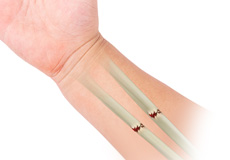
Forearm Fractures in Children
The radius (bone on the thumb side) and ulna (bone on the little-finger side) are the two bones of the forearm. Forearm fractures can occur near the wrist, near the elbow or in the middle of the forearm.
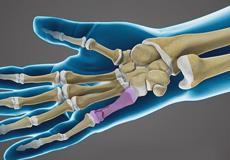
Fractures of the Hand and Fingers
A fracture is a break in the bone, which occurs when force greater than the bearable limit is applied against a bone. The most common symptoms of any fracture include severe pain, swelling, bruising or bleeding, deformity and discoloration of the skin and limited mobility of the hand.
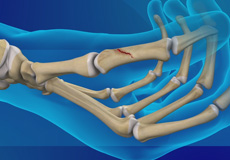
Thumb Fracture
A break or a crack in the bones of the thumb is known as a thumb fracture. Fractures may occur anywhere on the thumb, but a fracture at the base of the thumb, near the wrist, is considered the most serious.
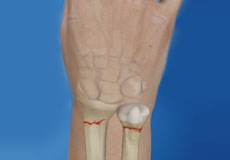
Wrist Fracture
The wrist is comprised of two bones in the forearm, the radius and ulna, and eight tiny carpal bones in the palm. The bones meet to form multiple large and small joints. A wrist fracture refers to a break in one or more of these bones.