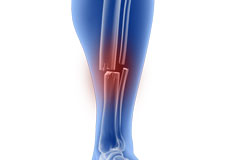
Tibia Fractures in Children
Fractures of the tibia, also called the shinbone, are a common injury in children. A crack or break in the tibia is referred to as a tibial fracture. Most breaks usually occur in the middle of the tibia or “tibial shaft”, known as a tibial shaft fracture.
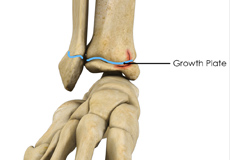
Growth Plate Fracture
Growth plates are areas of soft, cartilaginous tissues present at the end of long bones in growing children. These cartilage tissues or soft bones later harden to become solid bones in adulthood once growing has completed.
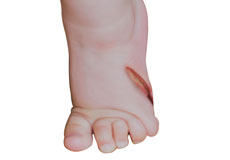
Acute Pediatric Injuries
Acute pediatric injuries are injuries in children caused by severe trauma. These injuries happen suddenly and range from severe bruises to bumps to broken bones.
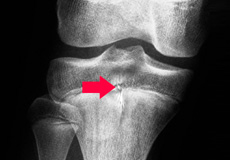
Growth Disturbances
“Growth disturbances” is a broad term employed to describe several causes and effects of medical problems related to a child’s inadequate growth.
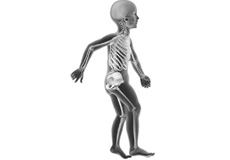
Cerebral Palsy
Cerebral palsy is a medical term used to describe a group of neurological disorders that manifest in infancy or early childhood and permanently affect muscle coordination and body movement.
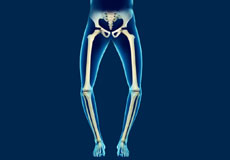
Blount's Disease
Blount’s disease, also known as tibia vara, is a developmental growth abnormality that affects the growth plate of the shin bone (tibia), causing the lower leg to angle outwards with a bow-like appearance.
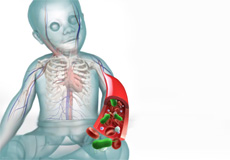
Neonatal Sepsis
Neonatal sepsis is a potentially life-threatening blood infection in a neonate (a newborn child) or an infant of less than 3 months old that can cause serious health risks, including permanent brain damage.
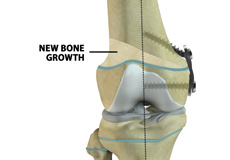
Guided Growth for Deformity Correction
Guided growth, also known as hemiepiphysiodesis, is a surgical technique employed for the correction of bone deformity in skeletally immature patients.
Cerebral Palsy Treatment
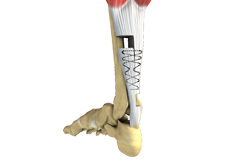
Cerebral palsy is a medical term used to describe a group of neurological disorders that manifest in infancy or early childhood and permanently affect muscle coordination and body movement.
Gait Analysis
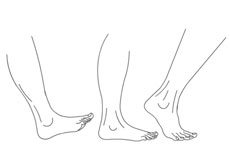
Gait refers to the pattern of walking. Gait analysis, also known as motion analysis, is a test to analyze how a patient walks and identify any unusual walking pattern. A proper gait is a result of correct coordination of the brain, muscles, and nerves all the time.
Clubfoot Casting and Surgery
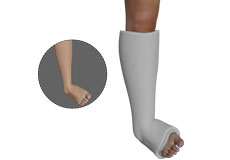
Clubfoot also known as talipes equinovarus is a congenital condition characterized by the inward and downward twisting of the feet at the ankles. It is usually diagnosed at birth and is best treated a few weeks after birth.
Intramedullary Nailing (including flexible nailing of pediatric fractures)
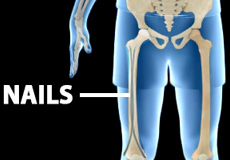
Intramedullary nails are metal rods used to align and stabilize fractured fragments of long bones such as the femur (thigh bone) and tibia (shin bone). The rods are passed through the bone marrow at the center of these bones, across fracture sites.
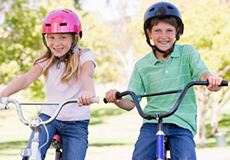
Fitness in Children
Unlike adults who exercise in the gym to keep themselves healthy and fit, fitness in children requires lots of physical activities involving movement to keep them active and alert.
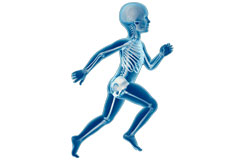
Sports in Children
Encouraging your children to participate in sports and other physical activities keeps them active and alert. Sports improve a child’s body growth and mental wellbeing.