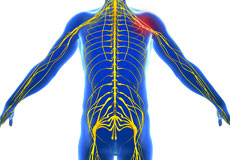
Peripheral Nerve Compression
The human body has 2 nervous systems, the central nervous system that includes the brain and spinal cord, and the peripheral nervous system that includes a network of nerves that lie outside the brain and spinal cord.
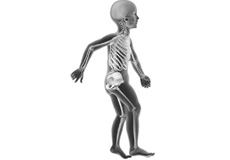
Cerebral Palsy
Cerebral palsy is a medical term used to describe a group of neurological disorders that manifest in infancy or early childhood and permanently affect muscle coordination and body movement.
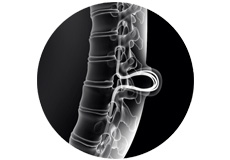
Spina Bifida
Spina bifida is a congenital condition (birth defect) in which there is abnormal development of the back bones, spinal cord, surrounding nerves, and the fluid-filled sac that surrounds the spinal cord.
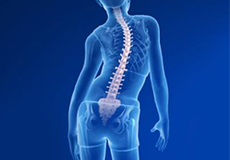
Ollier's Disease
Ollier disease, also known as enchondromatosis, is a disorder that affects the skeletal system. It is characterized by the development of non-cancerous cartilaginous growths (enchondroma) in the bones.
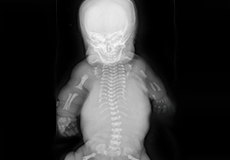
Skeletal Dysplasias
Skeletal dysplasia, also called osteochondrodysplasia, is the term used for growth or developmental disorders of the bone and cartilage. It is a rare disorder that typically affects children, resulting in an abnormal shape and size of the legs, arms, spine, or skull.
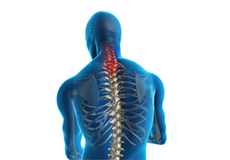
Cervical Spine Anatomy
The spine can be divided into 4 parts: cervical, thoracic, lumbar and sacral region. The cervical spine comprises of the first 7 vertebrae, which form the neck.
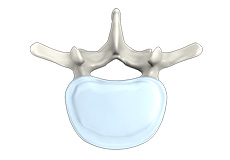
Lumbar Spine Anatomy
The spine also called the back bone, plays a vital role in stability, smooth movement and protection of the delicate spinal cord. It is made up of bony segments called vertebra with fibrous tissue called intervertebral discs between them.
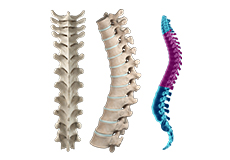
Thoracic Spine Anatomy
The thoracic spine is the central part of the spine, also called the dorsal spine, which runs from the base of the neck to the bottom of your rib cage.